Is Belfast Safe? What Tourists Should Know Before Visiting
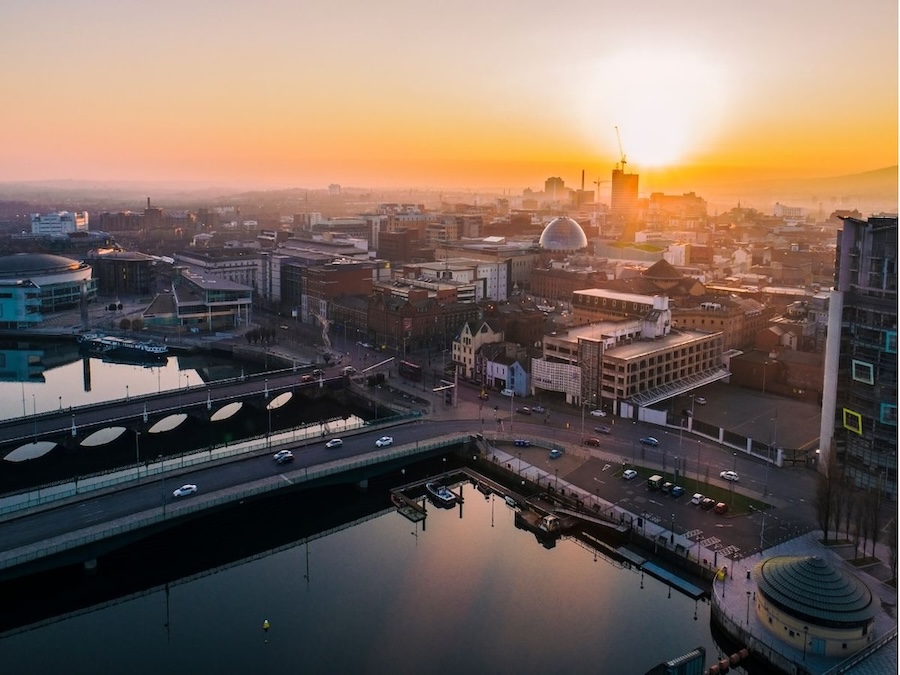

Despite its turbulent past during the Troubles, Belfast is now widely considered a safe and welcoming city for tourists. The capital of Northern Ireland has changed significantly since the peace process and today attracts visitors who come to explore its history, pubs and growing food scene.
Like any city, there are situations where it makes sense to stay aware of your surroundings, particularly late at night. However, most visitors spend their time in areas such as the city centre, Cathedral Quarter and Titanic Quarter without any problems.
When I visited Belfast, these were also the areas where I spent most of my time exploring, including several evenings enjoying the city’s lively pubs and nightlife.
This guide explains how safe Belfast really is for visitors, including the areas people often ask about, whether the city is safe at night, and a few practical tips to help you explore the city with confidence.
Is Belfast Safe for Tourists?
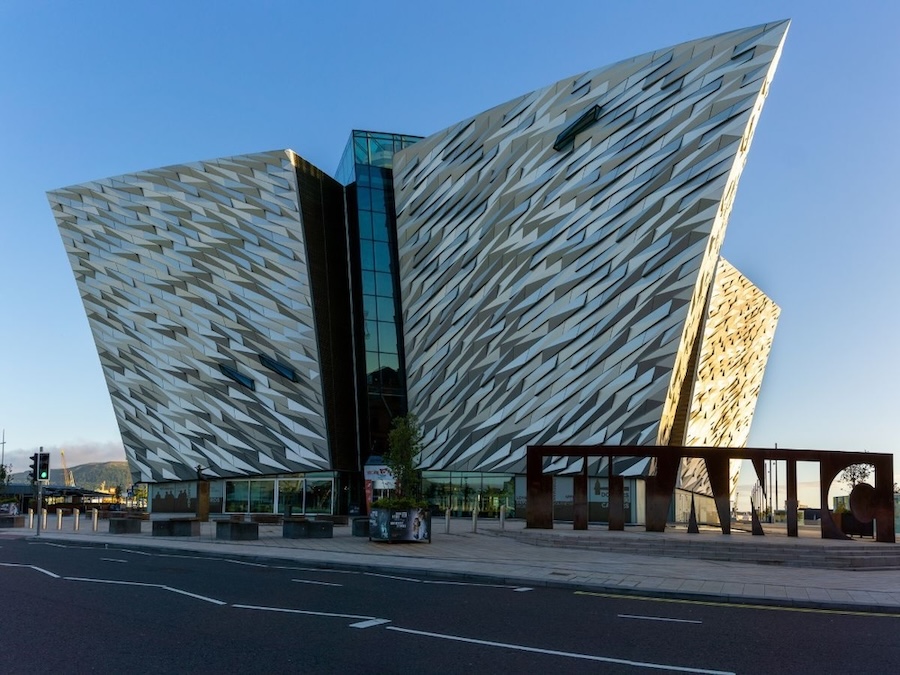
Yes, Belfast is generally considered a safe city for tourists. In recent decades, the capital of Northern Ireland has become a popular destination, attracting visitors who come to explore its history, culture and lively pub scene.
Most travellers spend their time in central areas such as the city centre, Cathedral Quarter and Titanic Quarter. These districts are busy with restaurants, bars, museums and hotels and are widely regarded as safe places to explore during the day and evening.
Like any city, the most common issues tend to involve minor problems such as petty theft or late-night drunken behaviour around busy nightlife areas. Staying aware of your surroundings and sticking to well-known areas usually avoids most problems.
Why People Think Belfast Is Dangerous
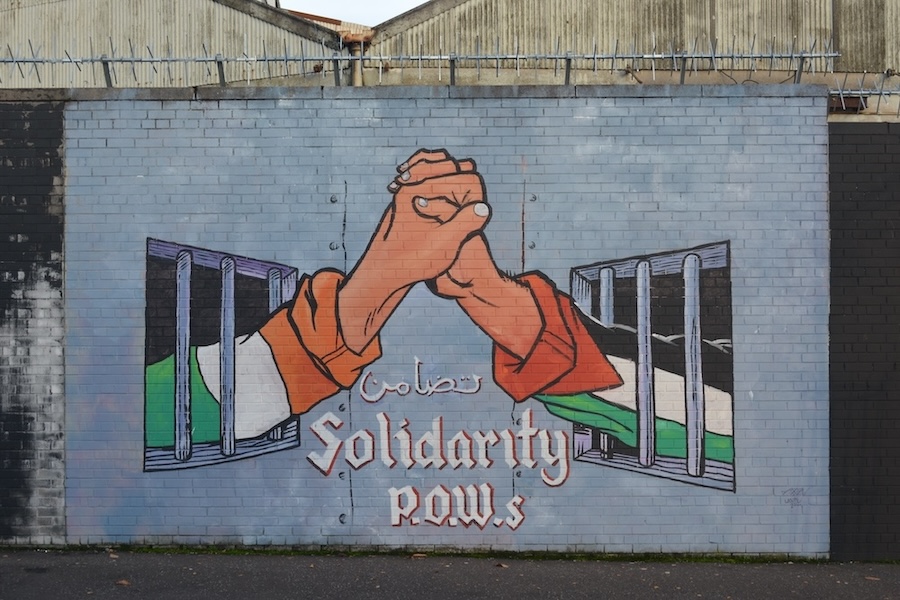
Belfast’s reputation for being dangerous largely comes from its history during the Troubles, a period of conflict in Northern Ireland that lasted from the late 1960s until the Good Friday Agreement in 1998.
During those decades, the city regularly appeared in international news reports because of bombings, riots and political violence. For many people outside Northern Ireland, those images shaped how they still think about Belfast today.
Visitors can still see reminders of that history in places such as political murals and peace walls across the city. These sites are often included on guided tours that explain Belfast’s past and the peace process that followed.
Modern Belfast, however, is very different from the city people remember from those news reports. Today it is a busy cultural and tourism destination, and while the city still experiences typical urban issues such as petty theft or late-night disturbances, most visitors find Belfast welcoming and easy to explore.
Areas to Avoid in Belfast
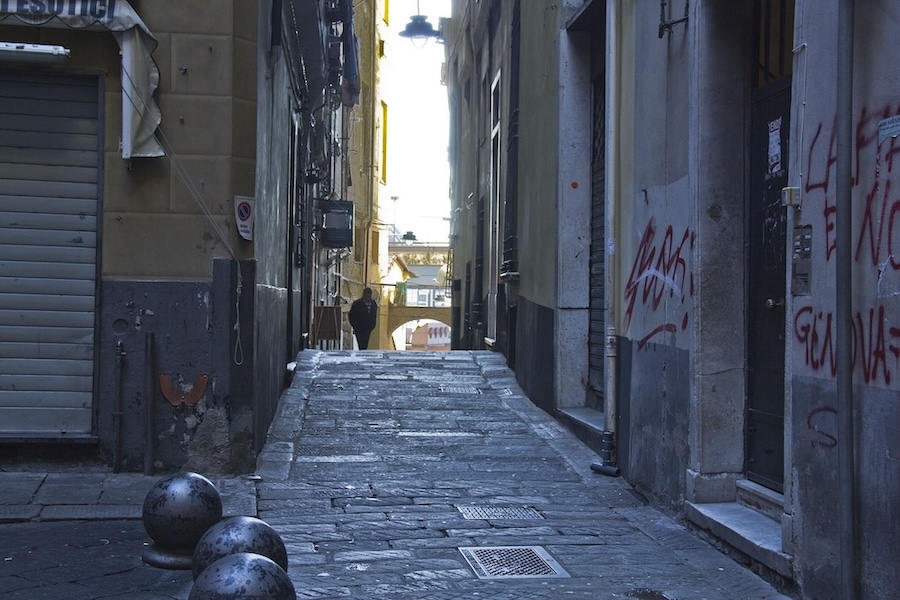
Belfast does not have official “no-go areas” for tourists, and most visitors spend their time around the city centre and popular districts without any problems. However, like any city, there are neighbourhoods where visitors are usually advised to be more aware of their surroundings, particularly late at night.
Many of the places people ask about are connected to Belfast’s history during the Troubles. Today, these areas are often visited as part of guided tours, but they are not places most tourists would normally explore late at night.
Falls Road and Shankill Road
Falls Road and Shankill Road are two of the most well-known streets in Belfast because of their connection to the city’s political history. Both areas are famous for their murals and are often visited as part of guided Black Cab tours that explain the history of the Troubles.
During the day, these areas are generally visited without problems, particularly when exploring with a guide. However, they are not places most tourists need to wander around casually late at night.
North Belfast
Parts of North Belfast have experienced community tensions in the past and occasionally appear in discussions about safety in the city. Visitors rarely have a reason to spend time in these neighbourhoods unless they are travelling through with a local guide or visiting a specific site.
During the day, there is usually little reason for concern, but like many residential districts in any city, it is better not to explore unfamiliar streets late at night.
Short Strand
Short Strand is a small neighbourhood in East Belfast that is often mentioned when discussing the city’s historic community divisions. It sits close to areas with different political identities, which has occasionally led to tensions in the past.
Visitors are unlikely to end up here by accident, but it is another example of a residential area that is not typically part of the usual tourist trail.
The Holyland
The Holyland area near Queen’s University is known for its large student population. It is not considered dangerous in the way some visitors expect, but it can become very noisy and chaotic late at night, particularly during the university term.
For travellers, the main thing to know is that it can get rowdy after dark rather than unsafe.
Is Belfast Safe at Night?
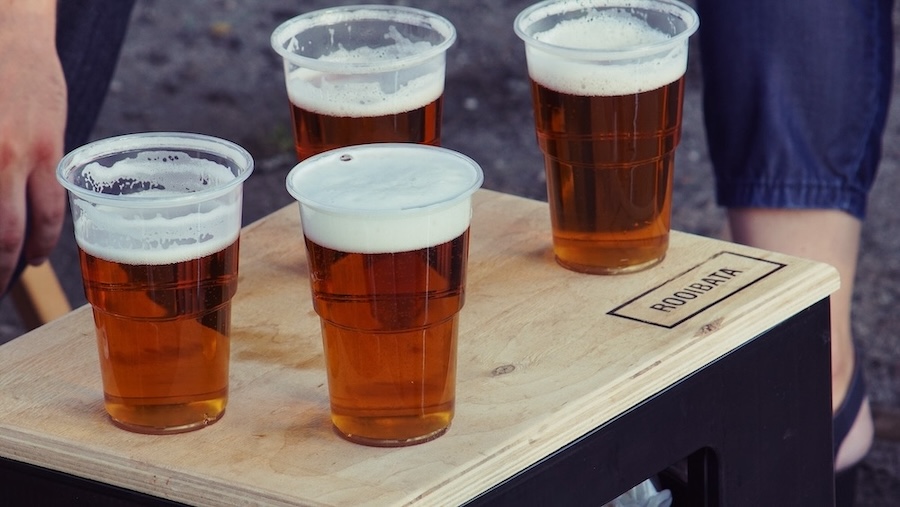
Belfast is generally safe at night, particularly in the main areas where visitors spend their time. Districts such as the city centre and Cathedral Quarter stay busy in the evenings with people moving between pubs, restaurants and music venues.
The Cathedral Quarter is the centre of Belfast’s nightlife and is known for its traditional pubs and live music. Because the area attracts both locals and visitors, it usually feels lively rather than unsafe.
Like most cities, the main issues late at night tend to involve drunken behaviour around busy bars rather than serious crime. Stick to well-lit streets, avoid wandering into unfamiliar residential areas and use licensed taxis if you are travelling further from the centre.
Is Belfast Safe for Solo Female Travellers?
Yes, Belfast is generally considered safe for solo female travellers. The city attracts visitors from around the world, and many people explore Belfast independently without any problems.
Most travellers spend their time in busy areas such as the city centre, Cathedral Quarter and the area around Queen’s University. These parts of the city are lively during the day and evening, with plenty of restaurants, pubs and cultural attractions.
As with visiting any city, it is sensible to take normal precautions. Staying in well-known neighbourhoods, avoiding quiet streets late at night and using licensed taxis if travelling after dark can help make your visit more comfortable.
Many solo travellers find Belfast welcoming and friendly, with locals often happy to chat in pubs or offer directions if you need help.
Practical Safety Tips for Visiting Belfast
Belfast is generally a relaxed and welcoming city for visitors. However, a few simple precautions can help you avoid problems and make your trip smoother.
Avoid political discussions with strangers
Belfast has moved on significantly since the Troubles, but politics, identity and religion can still be sensitive topics. If the conversation turns in that direction, it is usually best to listen rather than offer strong opinions.
Be mindful of sports jerseys and flags
In some parts of Belfast, football shirts and national flags can carry political associations that visitors might not realise. If you want to keep things simple, neutral clothing avoids any misunderstandings.
Stick to busy areas at night
Most visitors spend their evenings in places like the city centre and Cathedral Quarter. These areas are busy with pubs, restaurants and music venues. If you are out late, it is best to stay around well-lit streets where other people are around.
Use licensed taxis late at night
If you need to travel further across the city after dark, using a licensed taxi is usually the easiest option. Belfast has reliable taxi services, and many visitors use them after a night out.
Take the usual city precautions
As with any city, keep an eye on your belongings, avoid leaving drinks unattended and stay aware of your surroundings in crowded areas.
FAQs About Belfast Safety
Before visiting Belfast, many travellers have a few common questions about safety. Here are quick answers to some of the things people often ask before planning a trip.
Is Belfast safer than London?
Belfast generally has lower crime levels than London. London is a much larger city with millions more residents, which naturally leads to higher crime statistics. Belfast is smaller and tends to feel more manageable for visitors. As with any city, it is still sensible to stay aware of your surroundings, particularly late at night.
What are the no-go areas in Belfast?
There are no official “no-go areas” for tourists in Belfast. However, some neighbourhoods with a history of community tensions, such as parts of West and North Belfast, are usually best visited during the day or with a guide. Most visitors spend their time in the city centre, Cathedral Quarter and Titanic Quarter without any issues.
When not to go to Belfast?
Belfast can be visited throughout the year, and there is no specific time when the city becomes unsafe for tourists. Some travellers prefer to avoid the period around certain July parades, when political tensions can occasionally increase. For most visitors, these events have little impact on a short city break.
Is Belfast still segregated?
Some areas of Belfast remain divided along historic community lines, and parts of the city still have peace walls separating neighbourhoods. These divisions are far less visible in everyday life than they once were, but they remain part of the city’s history and identity.
Is it safe to walk at night in Belfast?
Walking at night in Belfast is generally safe in busy areas such as the city centre and Cathedral Quarter. These districts remain lively in the evening with pubs, restaurants and music venues. As with any city, it is best to stay on well-lit streets and avoid unfamiliar residential areas late at night.
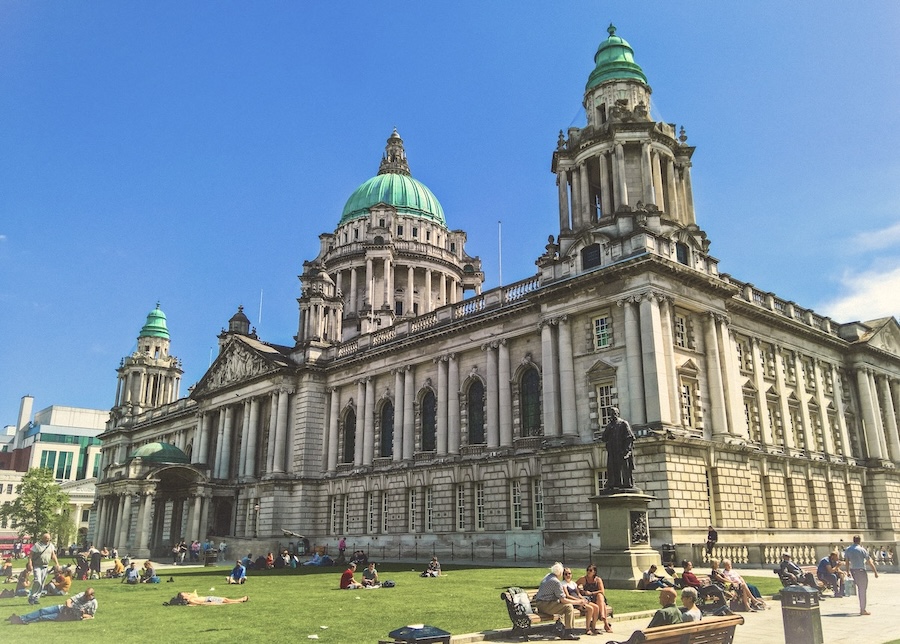
Belfast has come a long way since the years of conflict that shaped its reputation. Today, most visitors find it welcoming and easy to explore. By sticking to well-known areas and following a few simple precautions, travellers can enjoy the city’s history, nightlife and culture with confidence while exploring more of Ireland, or continuing their trip south to Dublin.
