Are There Bears In Scotland
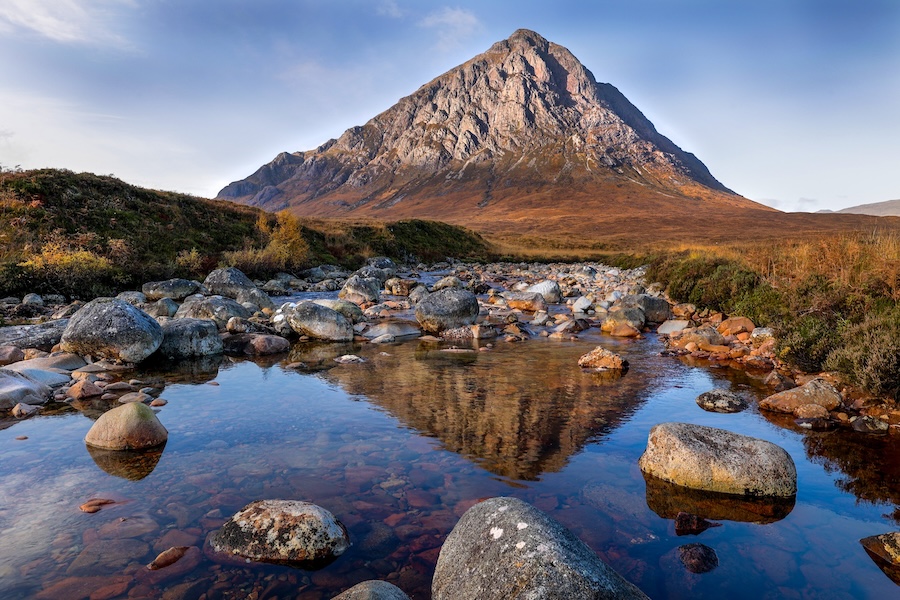
There are no wild bears in Scotland today. The last native brown bears disappeared over 1,000 years ago.
You can hike in the Highlands, camp in remote glens, and explore the Cairngorms without worrying about encountering one. Scotland does not have any large wild carnivores living in the countryside.
That has not always been true. Brown bears once roamed across much of Britain, including Scotland. They disappeared centuries ago, long before modern Scotland took shape.
When Did Bears Go Extinct In Scotland?
Most historians place the extinction of bears in Scotland somewhere between the fifth and tenth centuries.
Archaeological evidence shows that brown bears lived widely across Britain for thousands of years. As human settlements expanded and forests were cleared for agriculture, their habitat steadily shrank. Hunting pressure increased at the same time. Bears were killed for meat, fur, and to protect livestock.
There is some debate about the exact dates. A few historians suggest that small, isolated populations may have survived into the early medieval period, possibly even the tenth century. However, there is no firm evidence of a stable population beyond that point.
By the High Middle Ages, bears had effectively vanished from the Scottish landscape.
What Type Of Bear Lived In Scotland?
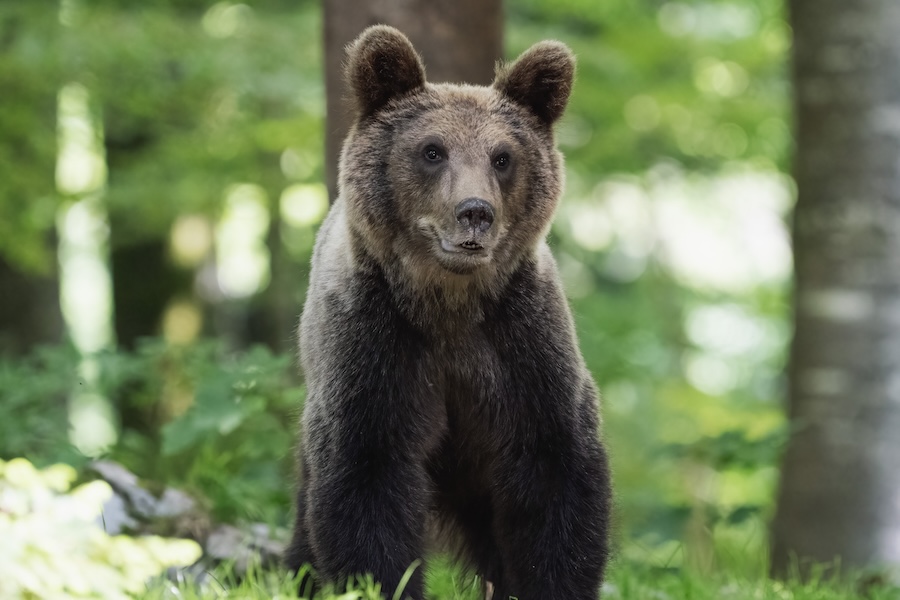
The species native to Scotland was the European brown bear, sometimes referred to as the Eurasian brown bear.
These were large, powerful omnivores similar to brown bears still found in Scandinavia and parts of eastern Europe today. Adult males could weigh several hundred kilograms and would have been the dominant land predator in prehistoric Scotland.
They likely occupied forested areas, river valleys, and upland regions where food was abundant. Their diet would have included deer, fish, carrion, berries, and plant matter. Like most brown bears, they would have avoided sustained contact with people.
Occasionally, you may see references to polar bear remains found in Britain. These date back to Ice Age conditions more than 18,000 years ago and are not part of Scotland’s historic wildlife during human settlement.
How Big Were Scottish Bears?
Scottish brown bears were comparable in size to modern European brown bears.
Large males could exceed 300 kilograms, with powerful shoulders and heavy forelimbs adapted for digging and tearing. They were capable of bringing down sizeable prey, although much of their diet would have been opportunistic.
They would have been impressive animals, but not fundamentally different from the brown bears that still live across northern Europe today.
Why Did Bears Disappear From Scotland?
Their disappearance was gradual rather than sudden.
First came habitat loss. Prehistoric Scotland was heavily forested. Over centuries, woodland was cleared for farming, fuel, and construction. Large mammals require space, and bears in particular need extensive territories.
Second was sustained hunting. Large predators were seen as threats and removed accordingly. Bears reproduce slowly, with females having relatively few cubs and long gaps between litters. Once populations declined past a certain point, recovery became unlikely.
Over time, the combination of shrinking habitat and human pressure proved too much.
Could Bears Be Reintroduced To Scotland?
There are currently no government plans to reintroduce bears into the wild in Scotland, according to guidance from NatureScot and the Scottish Government.
Rewilding discussions do surface from time to time, particularly around species such as lynx and wolves. Even those proposals remain controversial and face resistance from farming groups and rural communities.
Bears are generally considered far less realistic. They require an extensive connected habitat and bring a higher potential for conflict. Compared with species such as Eurasian beavers, which have been successfully reintroduced, large predators present a different scale of logistical and political challenge.
For now, it remains an idea rather than a plan.
Are There Wolves Or Big Cats In Scotland?
No. Wolves became extinct in Scotland in the late seventeenth century, and there are no confirmed wild populations today.
There are also no native mountain lions, pumas, or other large big cats. Periodic sightings are reported, but none have been verified as established breeding populations.
The largest land-based predator currently living in Scotland is the European badger. Other predators include red foxes, pine martens, Scottish wildcats, and birds of prey such as golden eagles.
In practical terms, Scotland is one of the safest countries in Europe when it comes to dangerous wildlife.
Are There Bears Anywhere In The UK Or Ireland?
There are no wild bears anywhere in the United Kingdom or Ireland.
Like Scotland, both England and Wales lost their native brown bear populations centuries ago. Ireland does not have any historic evidence of surviving bear populations into recorded history.
Today, any bears in Britain or Ireland are found only in managed wildlife parks and zoos.
Where Can You See Bears In Scotland Today?
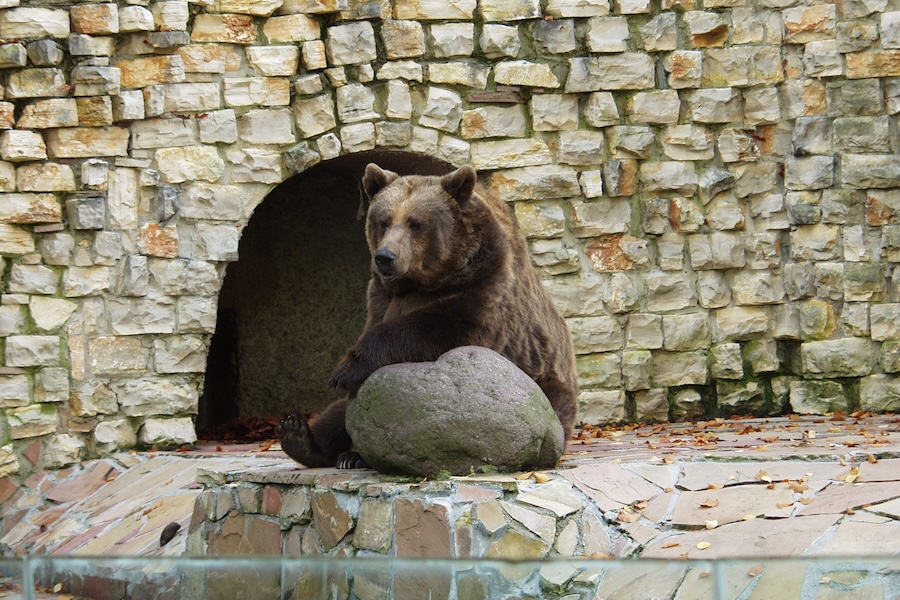
Although there are no wild bears, you can see them in captivity at several locations.
Highland Wildlife Park houses polar bears in large, managed enclosures in the Cairngorms.
You can also see bears at:
- Edinburgh Zoo
- Scottish Deer Centre
These are controlled environments rather than natural habitats.
Scotland’s landscapes can feel vast and untamed, particularly in the Highlands. But in ecological terms, they are quieter than parts of North America or eastern Europe.
If you are exploring the Scottish countryside, bears are not something you need to factor into your plans.
