Is Stonehenge Worth Visiting?
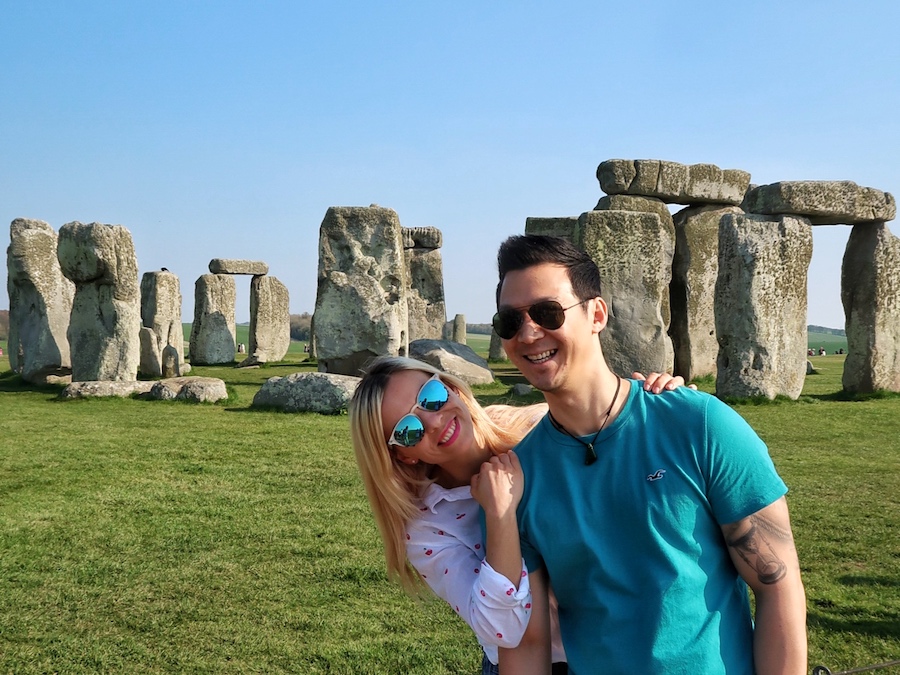

Is Stonehenge worth visiting? For most people, yes. But it depends on what you expect.
It is one of the most famous historic sites in Great Britain and attracts hundreds of thousands of visitors each year. Yet opinions are divided. Some leave impressed by its age and significance. Others feel it is smaller and more controlled than they imagined.
Stonehenge is not an open ruin you can explore freely. It is a carefully managed prehistoric monument. If you arrive understanding that, it can be a worthwhile stop. If you expect a dramatic, immersive experience, you may leave underwhelmed.
Whether it feels worthwhile depends largely on what you are hoping to experience.
Is Stonehenge Worth Visiting?
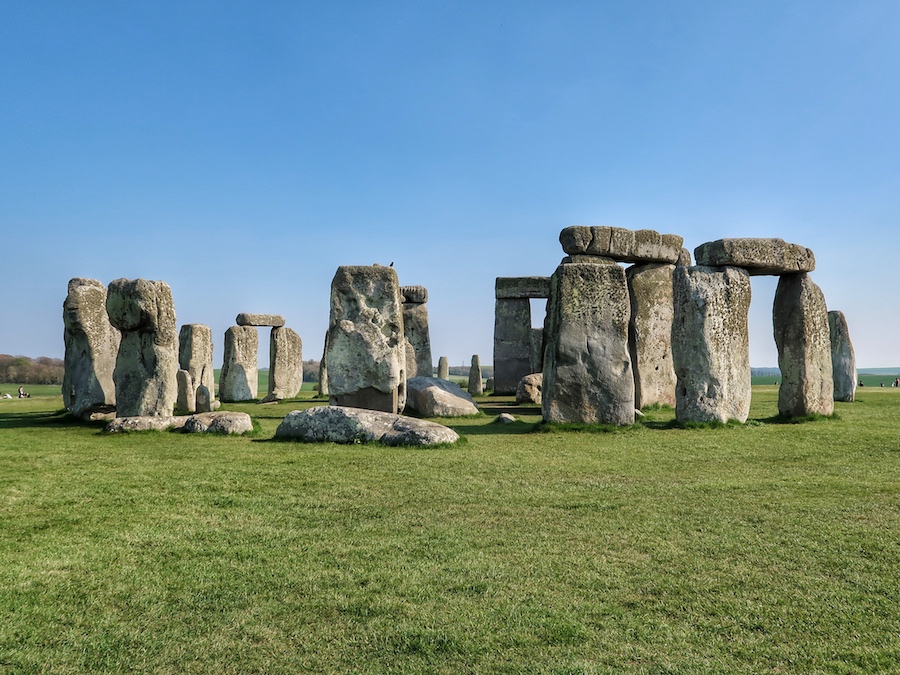
For most visitors, it is worth seeing. Just do not expect something that it is not. Stonehenge is not impressive because it is vast. It is impressive because of what it represents.
The stone circle standing today was completed around 2500 BCE and forms part of a much older ceremonial landscape. Some of the larger sarsen stones weigh up to 30 tonnes and were transported from the Marlborough Downs, roughly 20 miles away. The smaller bluestones came from the Preseli Hills in west Wales, over 150 miles away.
The stones are shaped with interlocking joints so the horizontal lintels sit securely on top. The layout aligns with the summer and winter solstices, linking the monument to the movement of the sun. A 2022 study proposed that the arrangement may have functioned as a solar calendar, although this remains a leading theory rather than a settled fact.
Viewed without knowledge or research, it may seem unremarkable. Once you understand its history, the scale of the achievement becomes clearer.
Is Stonehenge Overrated?
Some visitors do leave disappointed. The reasons are usually practical. You cannot touch the stones. You walk around them on a managed path at a short distance. On busy days, especially between late morning and mid-afternoon, it can feel crowded.
It is also smaller than many imagine. The stone circle itself is roughly 30 metres across, which can surprise visitors who expect something much larger. Photographs often make it look vast and isolated. In reality, it sits beside a main road on Salisbury Plain.
Some feel they have travelled a long way and paid a high ticket price for a relatively brief experience.
If you go expecting spectacle, it may not deliver. If you go expecting a carefully protected prehistoric monument, it makes more sense.
Why Stonehenge Matters

Stonehenge was not built in a single moment. It developed in stages over many centuries.
The earliest earthworks date to around 3000 BCE. The great sarsen stones were raised several hundred years later. Over time, the layout was adjusted and refined.
It is also part of a much wider prehistoric landscape that includes burial mounds, ceremonial avenues and other monuments. The entire area forms a UNESCO World Heritage Site, recognising its global significance.
The achievement is not just the stones themselves, but the organisation required to move, shape and raise them using prehistoric tools and manpower.
Stonehenge is a symbol of early Britain. We may never know its exact purpose, but its place in the country’s prehistoric story is clear.
What To Expect On A Visit
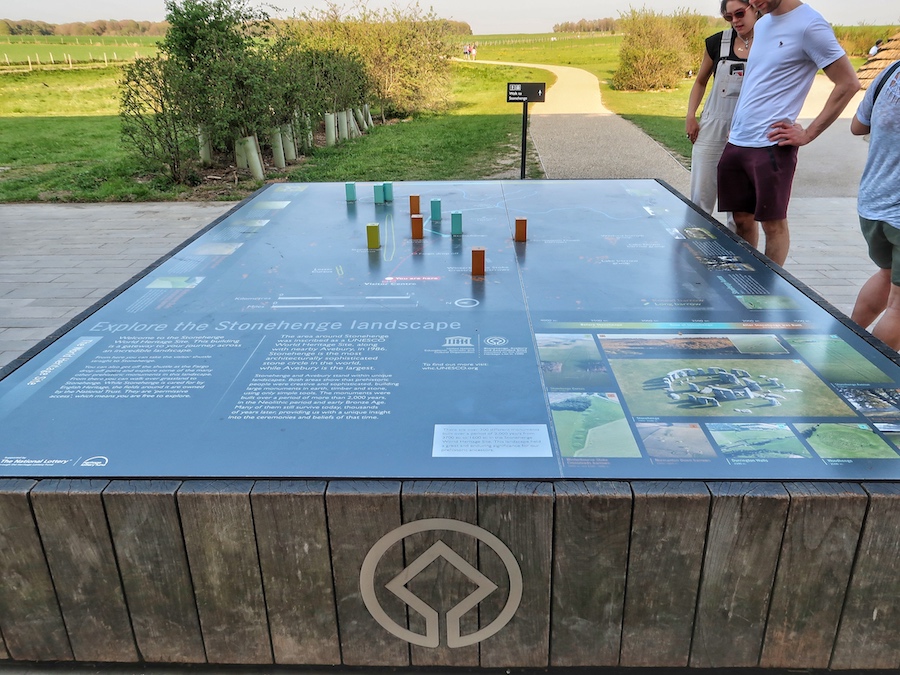
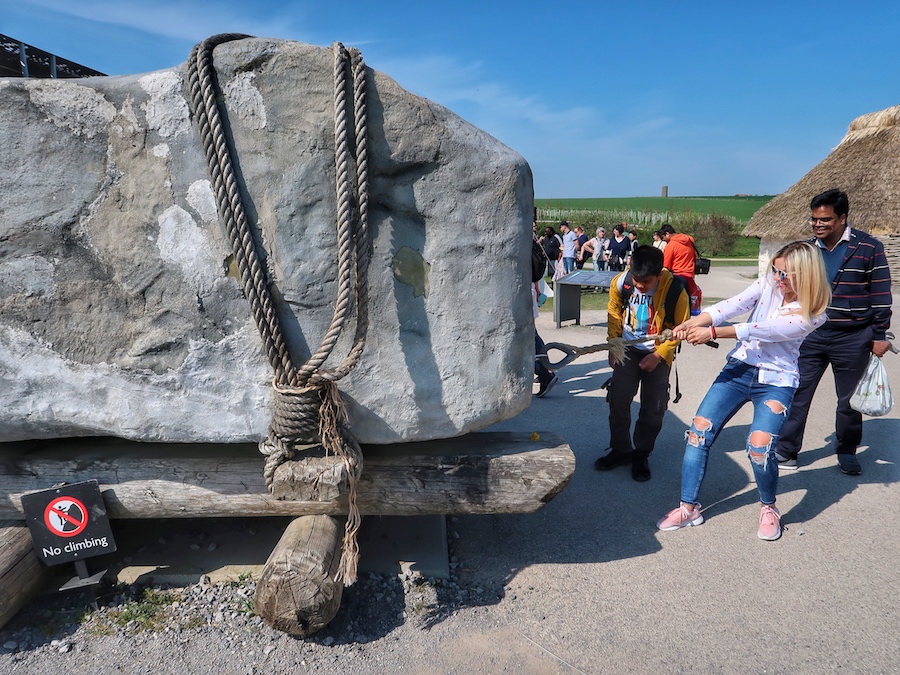
Your visit begins at the modern visitor centre. Inside, there is an exhibition explaining how Stonehenge was constructed and what archaeologists believe it was used for. Artefacts discovered in the surrounding area help place the monument in context. Outside, reconstructed Neolithic houses show how people may have lived around 2500 BCE.
From the visitor centre, you can either walk or take a shuttle bus to the stone circle. The shuttle takes around five to seven minutes. Walking takes roughly 25 to 40 minutes, depending on pace.
At the stones, you follow a circular path at a short distance from the monument. You cannot enter the centre or cross the barrier on a standard ticket.
The landscape is open and exposed, and the weather can shape the experience as much as the history. On clear days, you can see the open sweep of Salisbury Plain stretching in every direction, which helps explain why this site was chosen.
The free audio guide app genuinely improves the visit. Without it, some people feel they are simply walking around stones. With it, the monument gains context and meaning.
Most visitors spend around 20 to 30 minutes walking the full circuit.
How Long Do You Need?
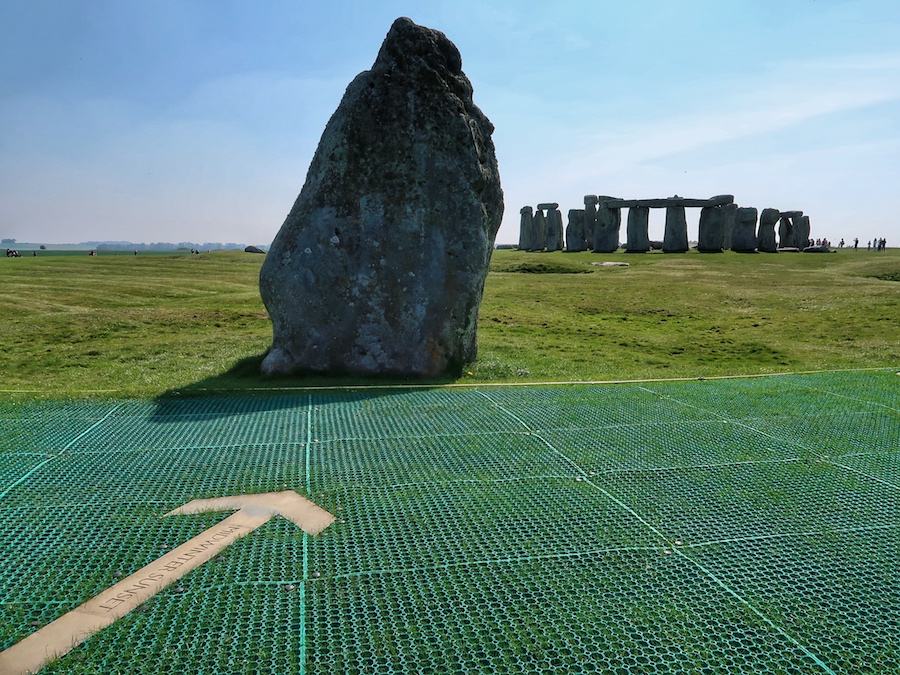
For most people, 1.5 to 2 hours is enough. That allows time to explore the exhibition, visit the reconstructed houses, travel to the stones and walk the full circuit without rushing.
If you skip the exhibition and go straight to the stone circle, you could be finished in under an hour. That is often when visitors question whether it was worth the cost.
Can You Walk Up To The Stones?
Not on a standard ticket. Visitors remain on the designated path around the circle to protect the monument from erosion and damage.
There are limited special access sessions outside normal opening hours where you can enter the inner circle. During the summer and winter solstices, managed open access allows people to be closer under controlled conditions.
For most visits, you will not stand directly beside the stones.
Is It Worth Visiting From London?
This depends on your schedule. By car, the journey takes roughly two hours each way in good traffic. By public transport, you travel by train to Salisbury and then take a dedicated bus to the site.
Stonehenge itself is not a full-day activity. If you travel from London purely to see it and then return, the day can feel travel-heavy for a relatively short visit.
It makes more sense as part of a wider trip. Many visitors combine it with Bath, Windsor or Salisbury.
If you have limited time in London, you may prefer to focus on attractions within the city. If you have flexibility, Stonehenge is a worthwhile addition to a broader itinerary.
How Much Does It Cost?
Adult tickets usually sit in the low to mid twenties, depending on season and whether you include a voluntary donation. Children and family tickets reduce the per-person cost.
Prices can change, so it is best to check the official English Heritage website before visiting.
Compared with other major UK attractions, the pricing is broadly in line. The experience itself is shorter than many major attractions, which is where some visitors feel the value question arises.
If you allow enough time, use the exhibition and audio guide, and avoid peak crowds, most visitors feel it justifies the price.
Pre-booking is strongly recommended.
English Heritage members receive free entry, which can represent good value if you plan to visit multiple historic sites in England.
Are There Better Alternatives?
If your main aim is to walk among ancient stones, Avebury may appeal more. The stone circle there surrounds part of a village, and you can walk freely among the stones.
If you want a dramatic hilltop ruin with wide views, Old Sarum near Salisbury offers a different kind of historic experience.
Stonehenge is unique in its symbolism and global recognition. But it is not the only historic site in the area.
Best Time To Visit
Late morning to mid-afternoon is typically the busiest period, particularly in summer.
For a quieter experience:
Arrive early.
Choose a late afternoon entry slot.
Visit outside peak school holidays if possible.
Winter visits are colder but noticeably quieter. Clear winter days often provide good light and fewer crowds.
FAQs: Visiting Stonehenge
Below are some of the most common questions people ask before visiting Stonehenge.
Can you walk into Stonehenge for free?
No. Standard visits require a ticket purchased through English Heritage. There is managed open access during the summer and winter solstices, which is free but extremely busy. A public footpath nearby allows distant views without entering the site.
How much is the entry fee to Stonehenge?
Adult tickets typically sit in the low to mid twenties, depending on season and whether a voluntary donation is included. Prices change, so it is best to check the official English Heritage website before visiting.
Can I touch the stones at Stonehenge?
No. Visitors remain on a designated path at a short distance from the stones to protect the monument. Limited special access sessions allow entry to the inner circle outside normal opening hours.
Final Verdict

Stonehenge is worth visiting if you are genuinely interested in prehistoric Britain and approach it with realistic expectations.
It is not worth it if you expect to wander freely among towering ruins or are looking for a dramatic, isolated spectacle.
Allow enough time, use the interpretation provided, and consider combining it with other nearby sites. Do this, and it earns its place on a Great Britain itinerary.